Why a social media approval workflow beats shared logins
Shared passwords and approvals buried in DMs break the moment your team grows. Here is why a social media approval workflow fixes both for good.

Fiona Jake
Content Designer
Insight
Ask ten teams how they approve social media posts and most will describe some version of the same thing: a shared login, a group chat, and a lot of hoping. It works until it does not. The day a post goes out with the wrong date, or an ambassador publishes something nobody signed off on, is the day you realize the approval step was never really there. A social media approval workflow is what replaces the hoping with a process.
Here is why the usual setup falls apart, and what a real workflow does instead.
The shared password problem
Handing out the account login feels like the fast option. It is also the one that costs you the most. Once someone has the password, they can post anything, at any time, with no one reviewing it first. You cannot see who did what. You cannot remove access without changing the password and re-sharing it with everyone else. And every person holding that login is one lost phone or one bad exit away from becoming a problem. Convenience now, exposure later.
The DM approval problem
So teams try to add a check on top: send the draft in a chat, wait for a thumbs up, then post it. The trouble is that chat was never built to be a system of record. Approvals get buried under other messages. Nobody is sure which version was the final one. A post sits for two days because the person who needed to approve it was tagged in a thread they had muted. The intention is right, but the tool is wrong, and things slip through anyway.
What an approval workflow actually is
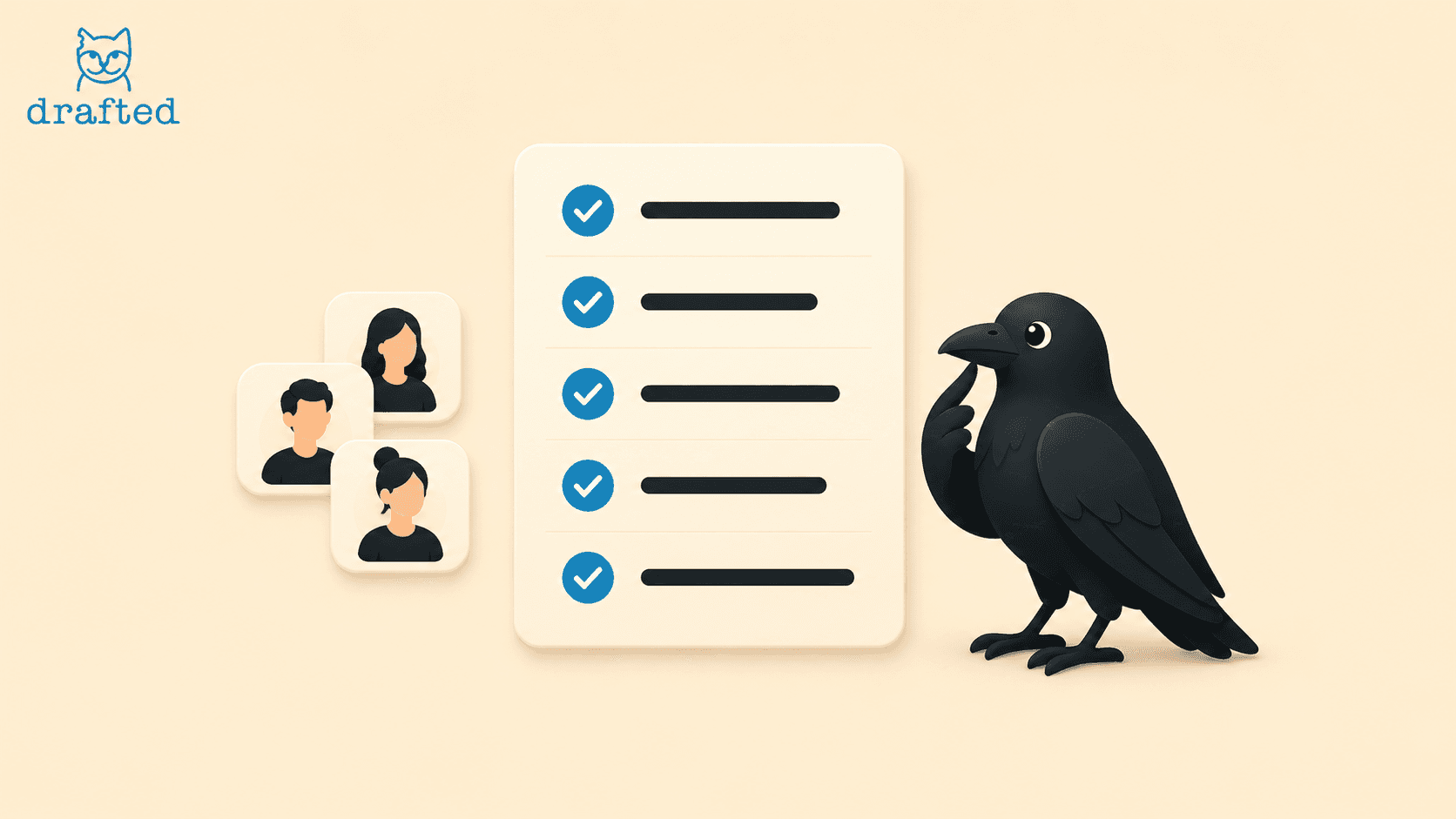
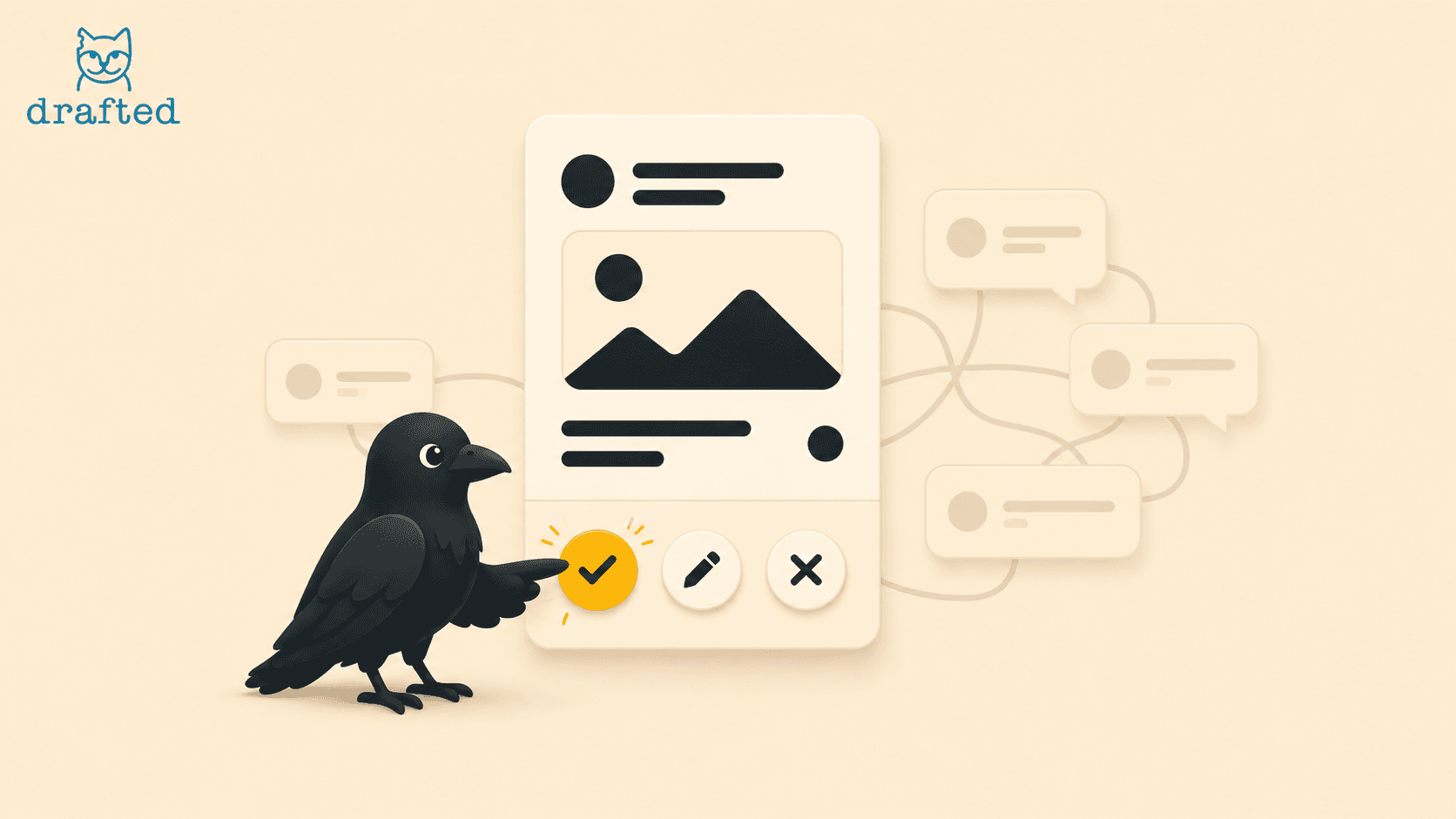
An approval workflow is a clear, repeatable path that every post follows. Someone creates a draft, someone with the authority reviews it, and the post is either approved, sent back with edits, or rejected. Nothing publishes until it clears that step. The difference is that the path is built into the place where the work happens, not bolted on through a side conversation. The status of every post is visible, the decision is recorded, and the person who made it is named.
Why it matters more as you grow
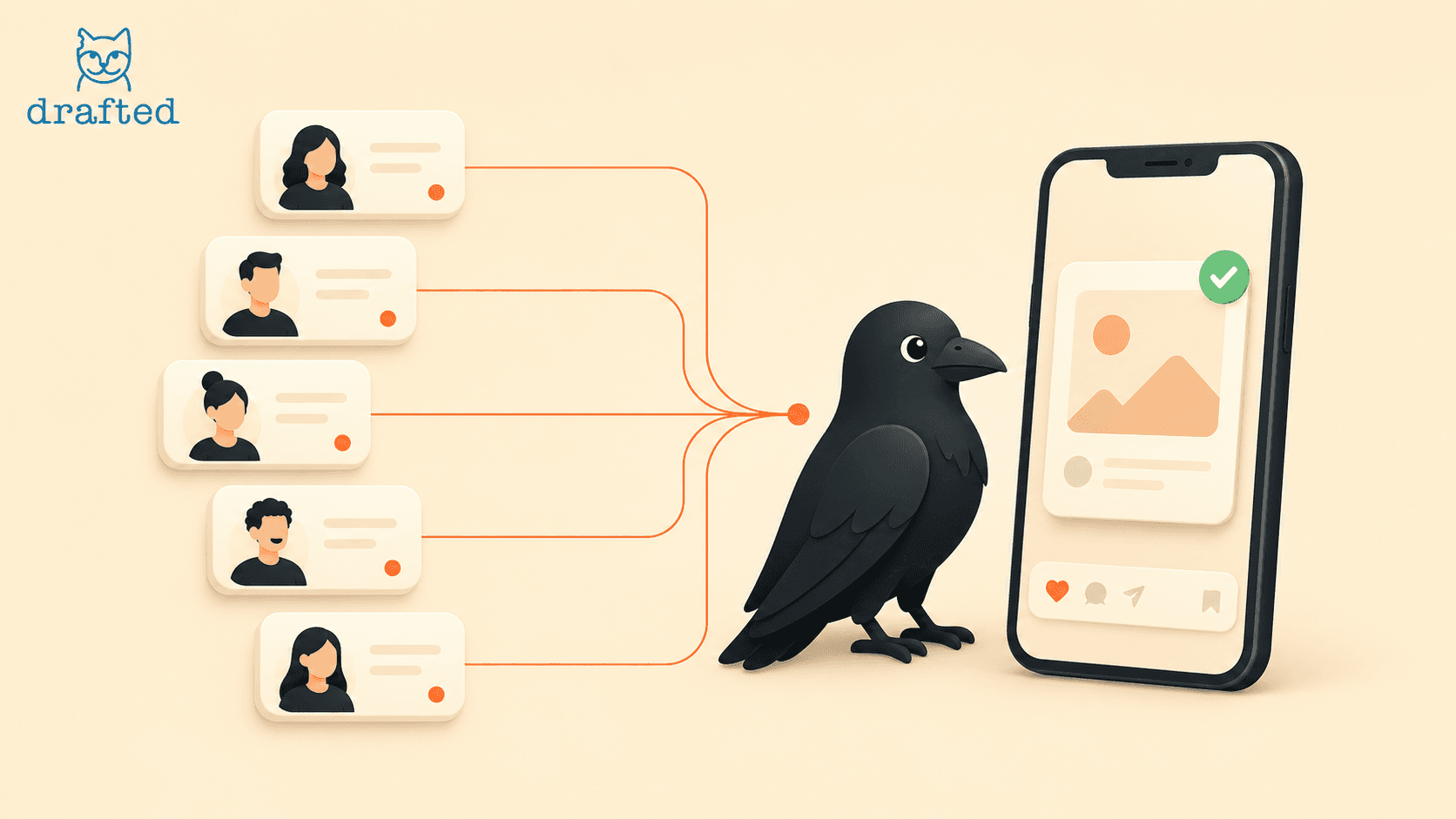
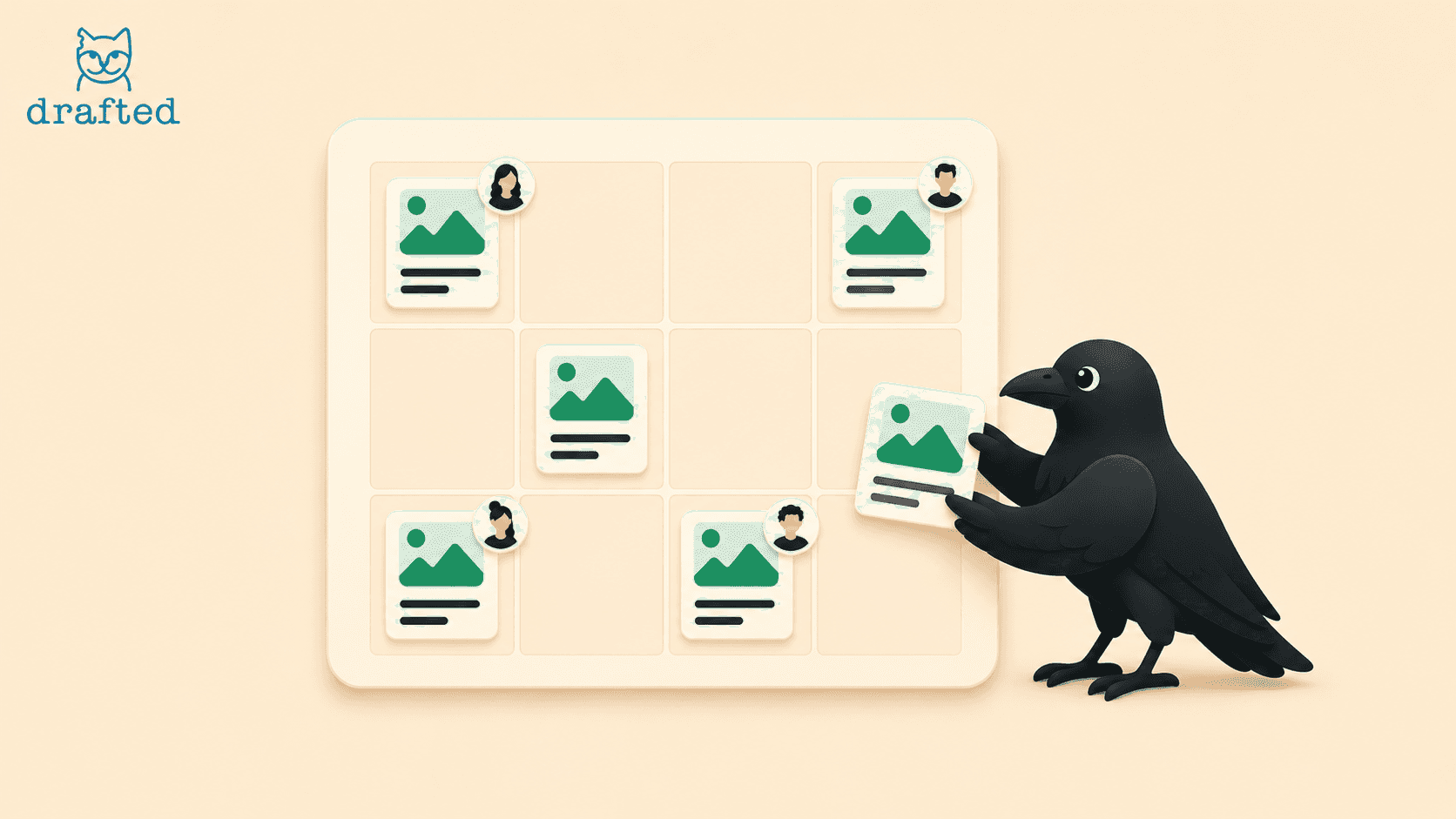
With two people, you can get away with a loose process because you both see everything. Add a few ambassadors, a couple of brands, and a content calendar that runs weeks ahead, and that loose process becomes the bottleneck. A real workflow scales because it does not depend on everyone being in the same chat at the same time. The post moves through the steps whether you are watching it or not.
Control without the chaos
This is the gap most scheduling tools leave open, and it is the one Drafted was built to close. Ambassadors and team members submit content for review, admins approve or request edits in one place, and approved posts publish across every channel without anyone sharing a password. You keep full control of what goes out under your name, and you get it back without the back and forth. That is the whole point of an approval workflow: fewer mistakes, less chasing, and a clear answer to who approved what.