How to manage a social media content calendar across a team
A social media content calendar keeps a team posting consistently on every platform. Here is how to build one that does not fall apart by week three.

Yann Paul
HR Manager
Management
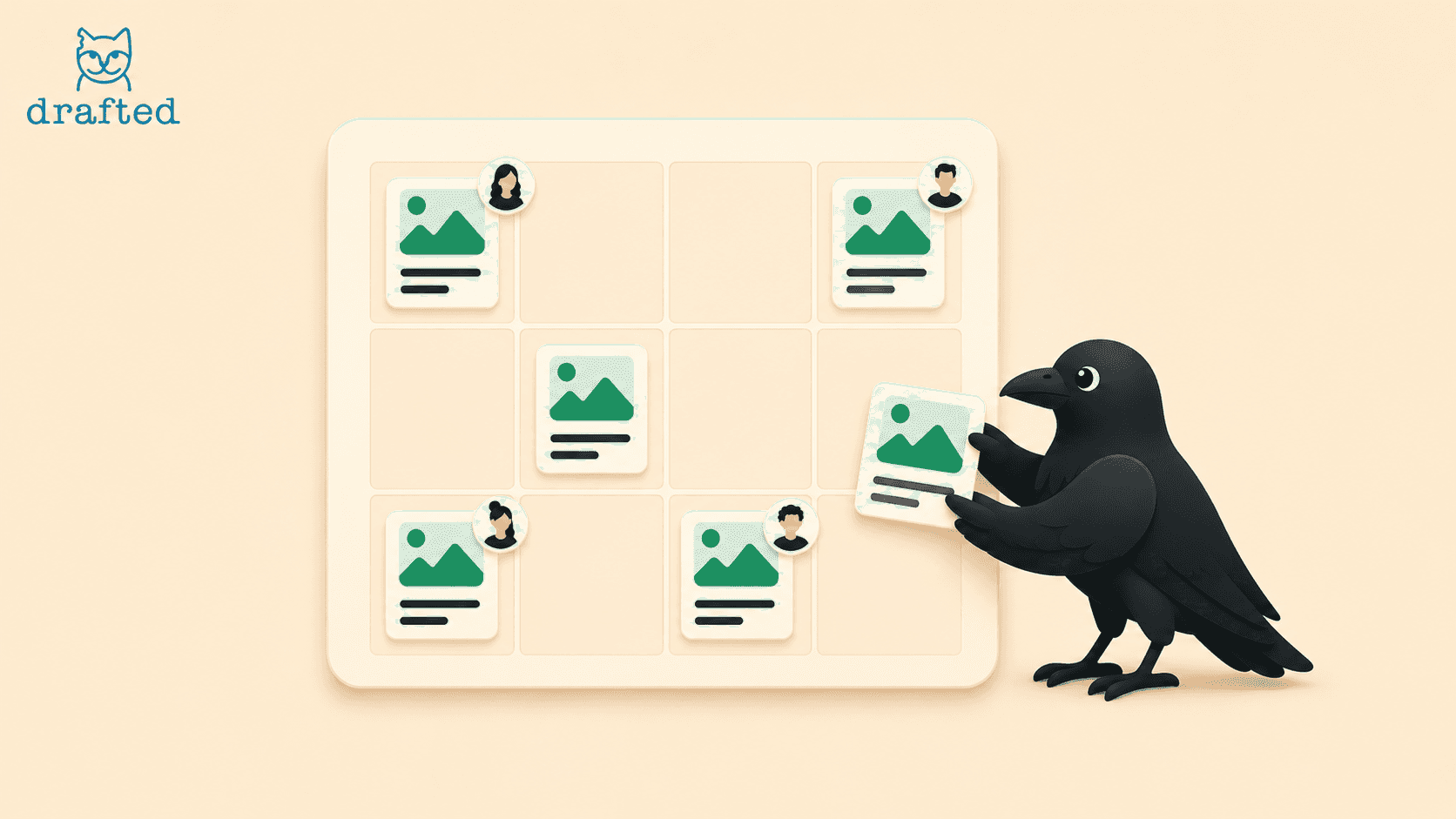
A social media content calendar is one of those things every team agrees it needs and almost nobody keeps current. It starts as a tidy spreadsheet in January. By March it is three weeks out of date, half the cells say TBD, and people are back to deciding what to post the morning it goes out. The calendar did not fail because the idea was wrong. It failed because it was built to be filled in, not to be run.
A calendar that survives contact with a busy team looks a little different. Here is how to build one.
Plan themes before you plan posts
Staring at an empty calendar and trying to invent a post for every box is exhausting, and it shows in the output. Start a level up. Decide the handful of themes you want to be known for, then assign them to weeks. Once a week has a theme, filling in the individual posts is a much smaller decision. You are choosing how to say something, not scrambling for something to say.
Set a cadence for each platform
The same post on every channel at the same frequency is a common shortcut and a quiet mistake. What works daily on one platform feels like noise on another. Decide how often you want to show up on each one, and let the calendar reflect that. It is better to post three strong times a week consistently than seven times one week and nothing the next.
Give every slot an owner
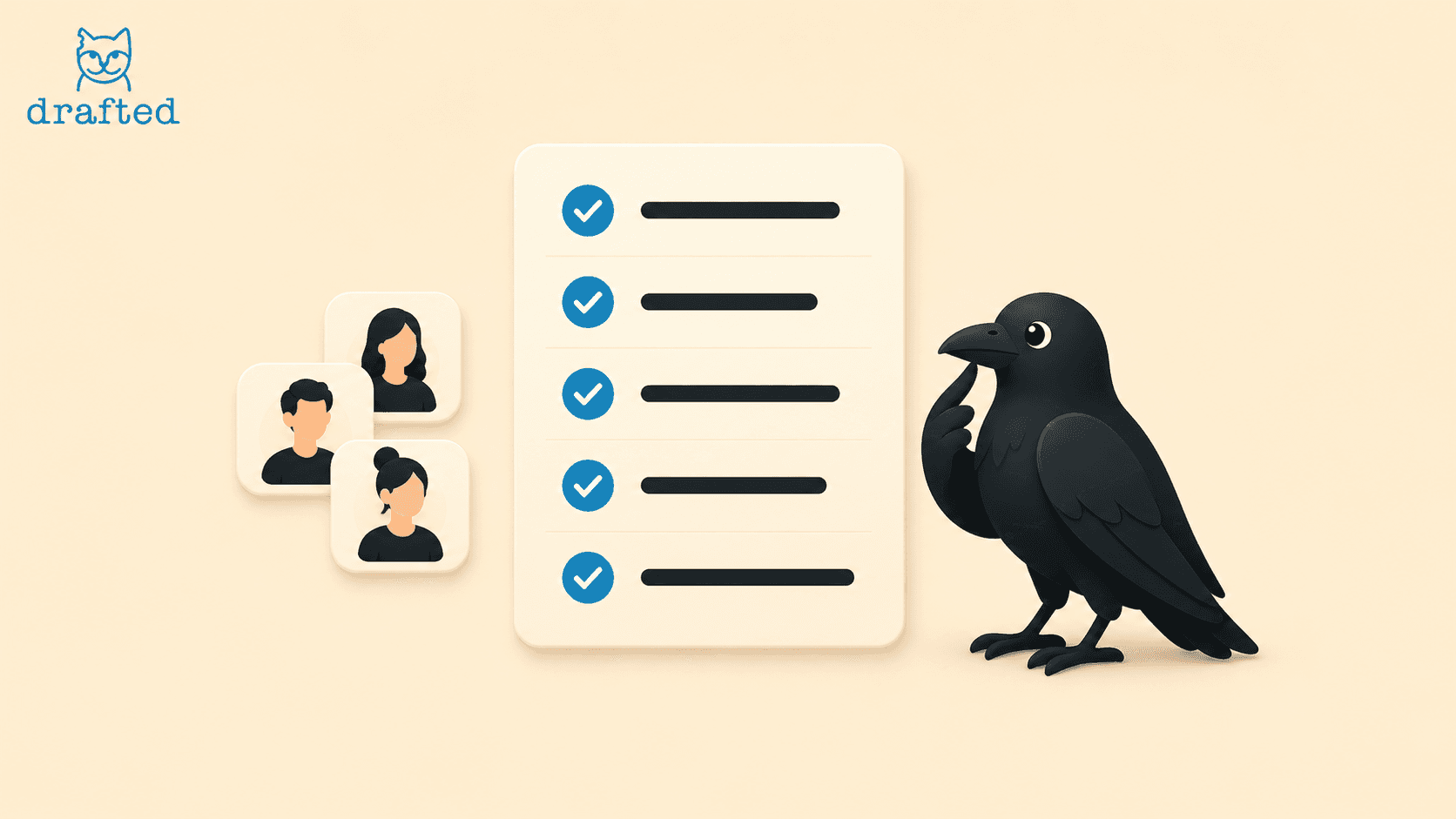
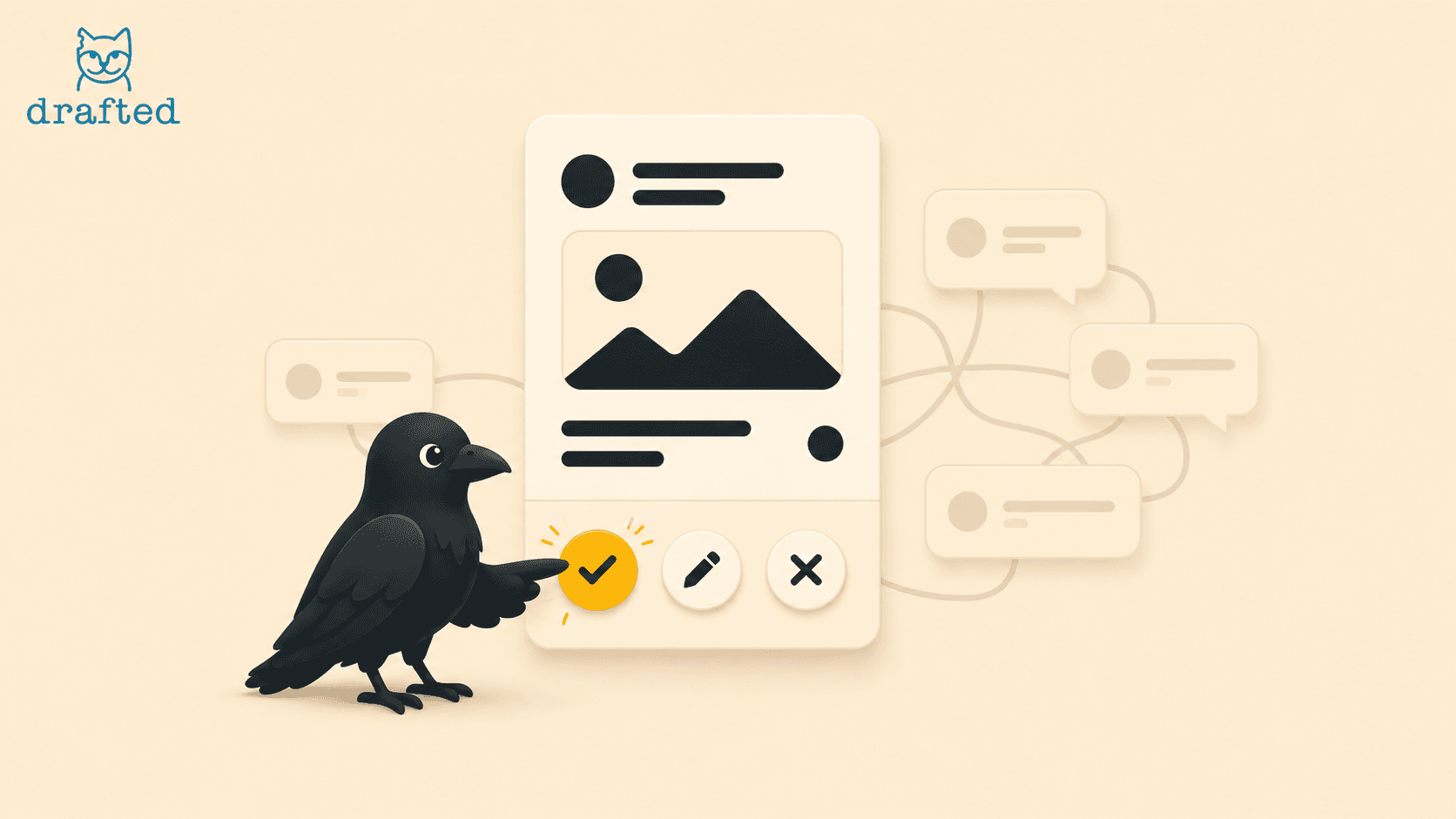
A date with no name attached is a post that will not happen. Every slot on the calendar should belong to someone: who is creating it, and who is approving it before it goes live. When ownership is clear, you stop being the person who notices at 8am that today's post does not exist. The work has a home before the deadline arrives.
Keep a buffer so you never run empty
The teams that post consistently are not more creative than everyone else. They are just working ahead. Aim to stay a week or two in front, with a few approved posts banked and ready. A buffer means a sick day, a busy week, or a slow idea does not break your streak. The calendar keeps moving even when you cannot.
Keep it where the work happens
A content calendar in a spreadsheet is a plan. A content calendar in the tool you actually post from is a workflow. When the calendar, the content, the approvals, and the publishing all live in one place, you stop copying things between apps and you stop wondering whether what you see is current. The plan and the doing are the same screen.
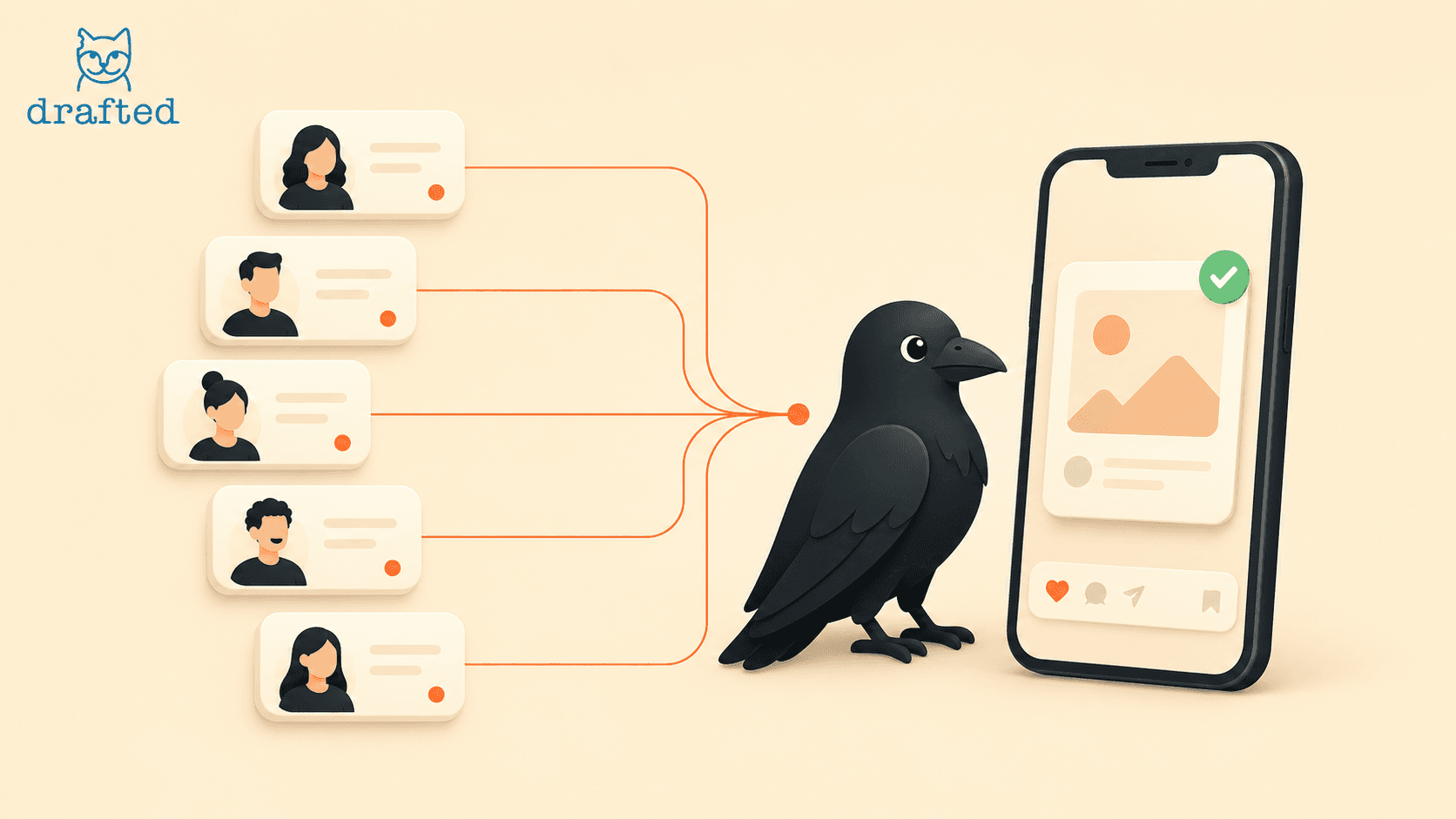
That last part is where most calendars quietly die, and it is what Drafted is built around. Your team plans posts visually, picks the date and platforms, sends them for approval, and the approved ones publish across every channel on schedule. Build the calendar once, give every slot an owner, stay a week ahead, and consistency stops being something you have to force.